
Mind Catalogue
every scroll, a sadhana
Welcome to Mind Catalogue — the living, breathing blog of Ekattva Yogshala.
This is where wellness meets wisdom, and where the sacred banks of Rishikesh find their voice in words. Here, we explore the depths of yoga, holistic health, mindful living, and spiritual travel — weaving together expert guidance for yoga tourists, soulful travelogues from the foothills of the Himalayas, and transformative reflections on the yogic way of life. Whether you're a seasoned spiritual traveller seeking your next journey, a curious soul exploring yoga teacher training, or a member of our ever-growing global yoga family sharing your story — this is your space. From program updates and practitioner insights to prayers, prose, and perspectives that provoke and inspire, Mind Catalogue is Ekattva's collective consciousness, catalogued with care.
Pull up a mat, open your mind, and take a peek — or a plunge.
Explore Our Collection
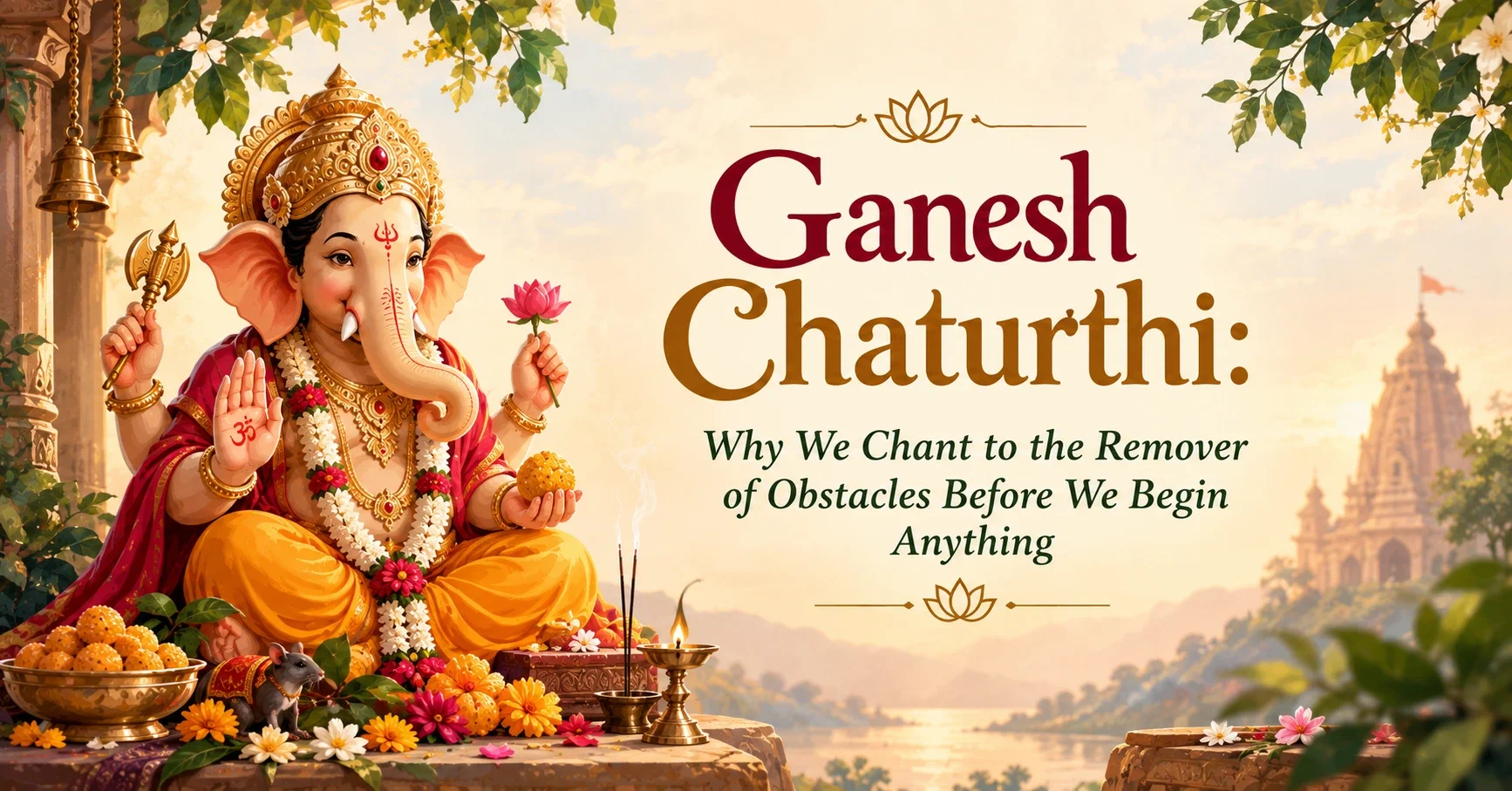
Ganesh Chaturthi: Why We Chant to the Remover of Obstacles Before We Begin Anything
Ganesha may be the most visually familiar deity in Western yoga spaces — but the mythology runs deeper than the murti. This Ganesh Chaturthi, learn the Vakratunda Mahakaya mantra, when to actually chant it, and what Ganesha's roles as son, brother, protector, and leader can teach us about starting things well.
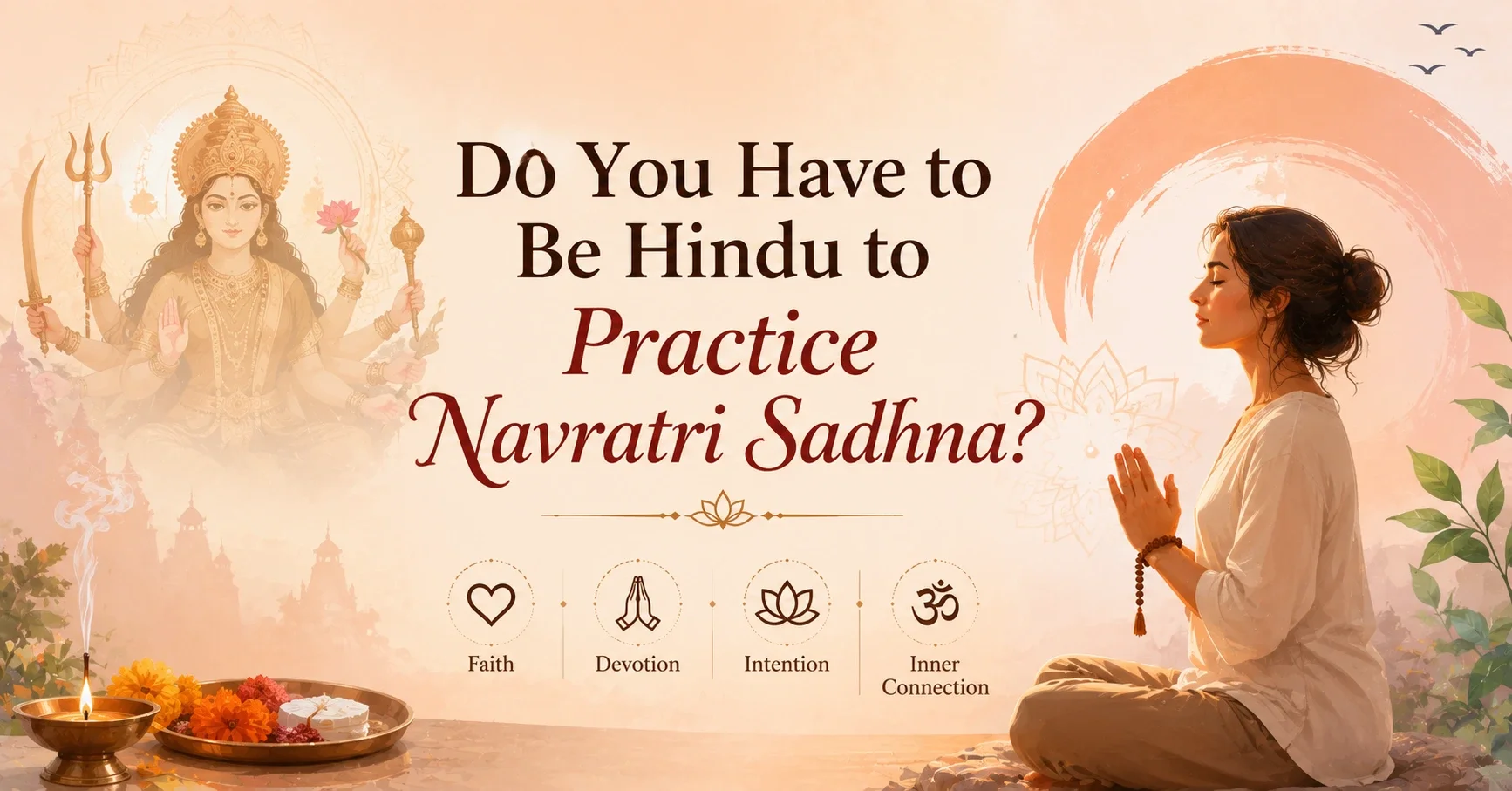
Do You Have to Be Hindu to Practice Navratri Sadhna?
A direct answer to a fair question: Navratri sadhna is rooted in Hindu tradition, but it isn't closed. Here's how Ekattva thinks about welcoming participants from every background, and what genuine participation asks of you.
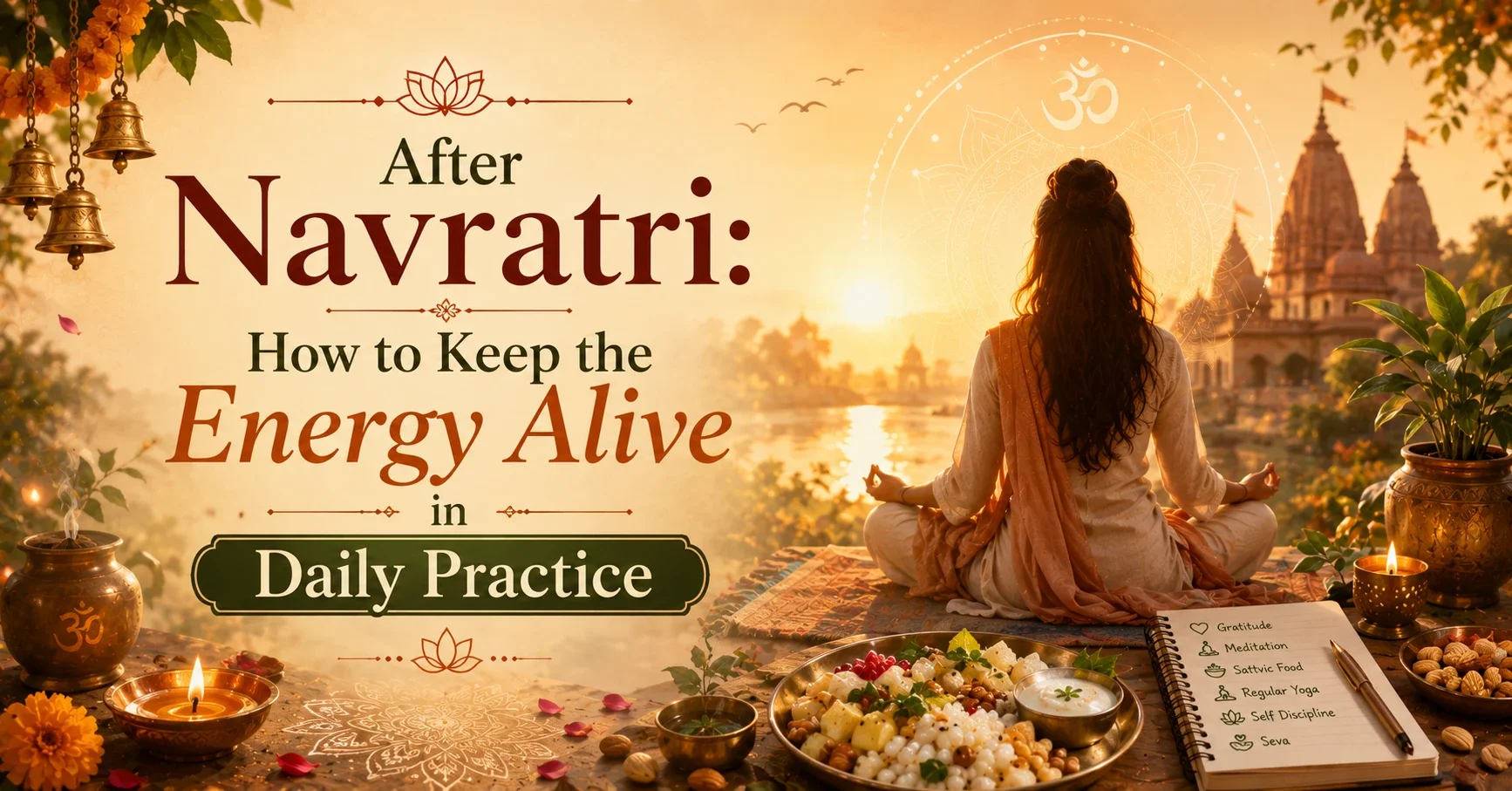
After Navratri: How to Keep the Energy Alive in Daily Practice
The nine nights end, and the drop that follows is real and normal. A guide to carrying Mantra Siddhi into daily life, and staying connected to the practice until the next season turns.
Navratri Fasting and Sattvic Eating: What to Eat During the 9 Nights
Navratri fasting isn't about willpower or deprivation it's one tool in a broader seasonal reset. A practical guide to sattvic eating and what to expect on the plate during the nine nights.
Preparing Your Mind for Navratri: A Shakti Mantra Guide
Packing your bag for a retreat is easy. Preparing your mind is the part most people skip, and the part that determines how deep the nine nights can take you. A simple pre-retreat guide.
Chaitra (Spring) or Sharad (Autumn)? Choosing Your Navratri Sadhna Retreat
Ekattva runs its 9-day Mantra Sadhna retreat twice a year, spring and autumn. Same nine nights, same nine forms of Shakti, different seasonal hinge, plus how to extend your stay for Dussehra, Diwali, or Holi, and why we think you'll want to experience both editions.
Chaitra Navratri: A Spiritual Reset at the Turn of Spring
Before January existed, there was Chaitra, the start of the Hindu year. Chaitra Navratri offers a spring-equinox sadhna reset, planting rather than harvesting, at the turn of the season.
Why October is Powerful for Sadhna: Your October Spiritual Reset
October in Rishikesh brings quiet transformation — clear skies, crisp Himalayan air, and the sacred stillness of a post-monsoon Ganges. This is the season when Sharad Navratri fills the city with collective mantra chanting and divine energy. Mild days and cool evenings create the perfect climate for deep, sustained Mantra Sadhna. Discover why this window is the ideal time to reset, realign, and come home to yourself.
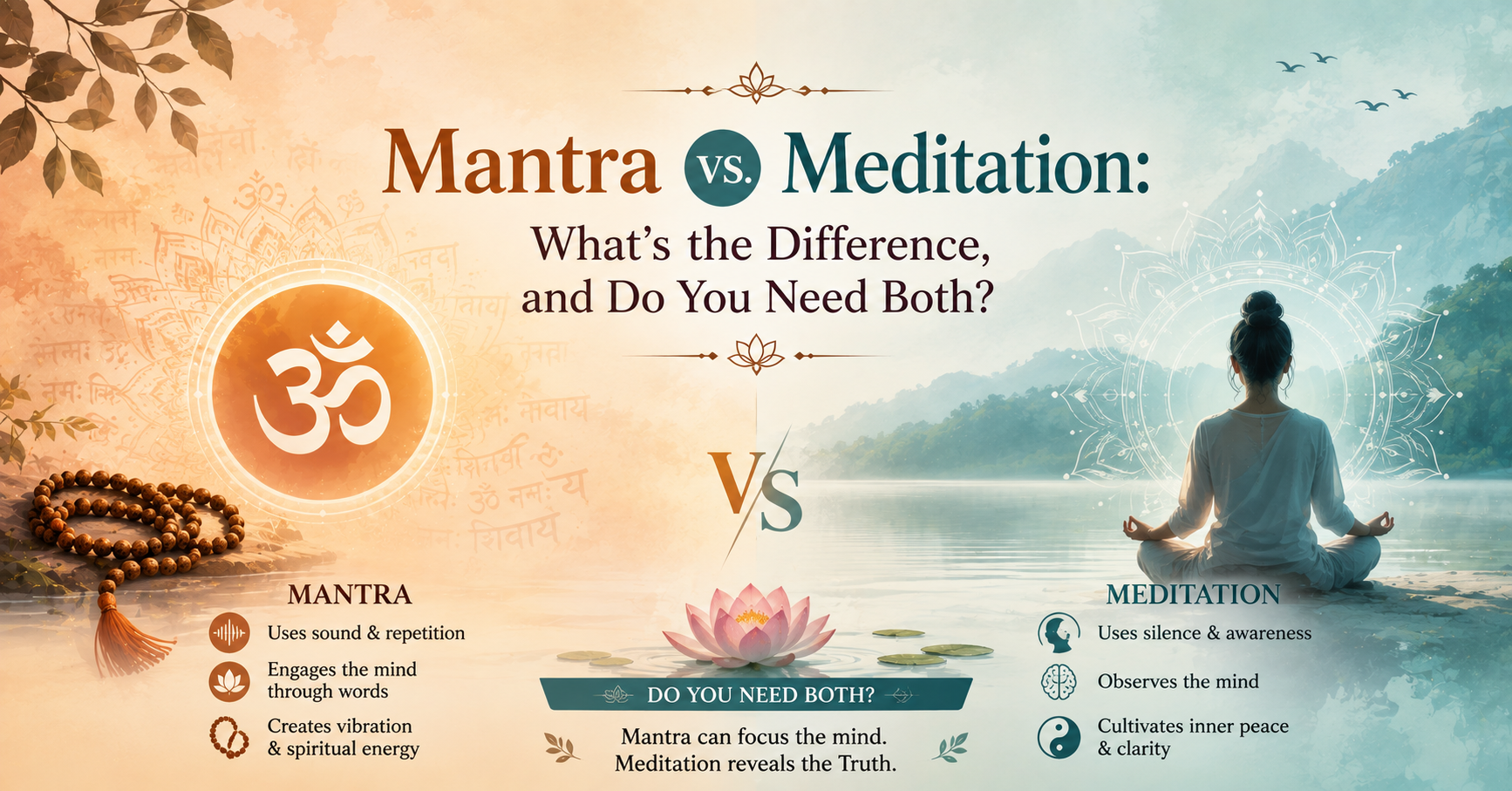
Mantra vs. Meditation: What's the Difference, and Do You Need Both?
Meditation and mantra are often treated as interchangeable, but they work through completely different mechanisms — one through observation, the other through sound. Here's what actually distinguishes them, and why Ekattva's approach uses both, in sequence, to make stillness more accessible.
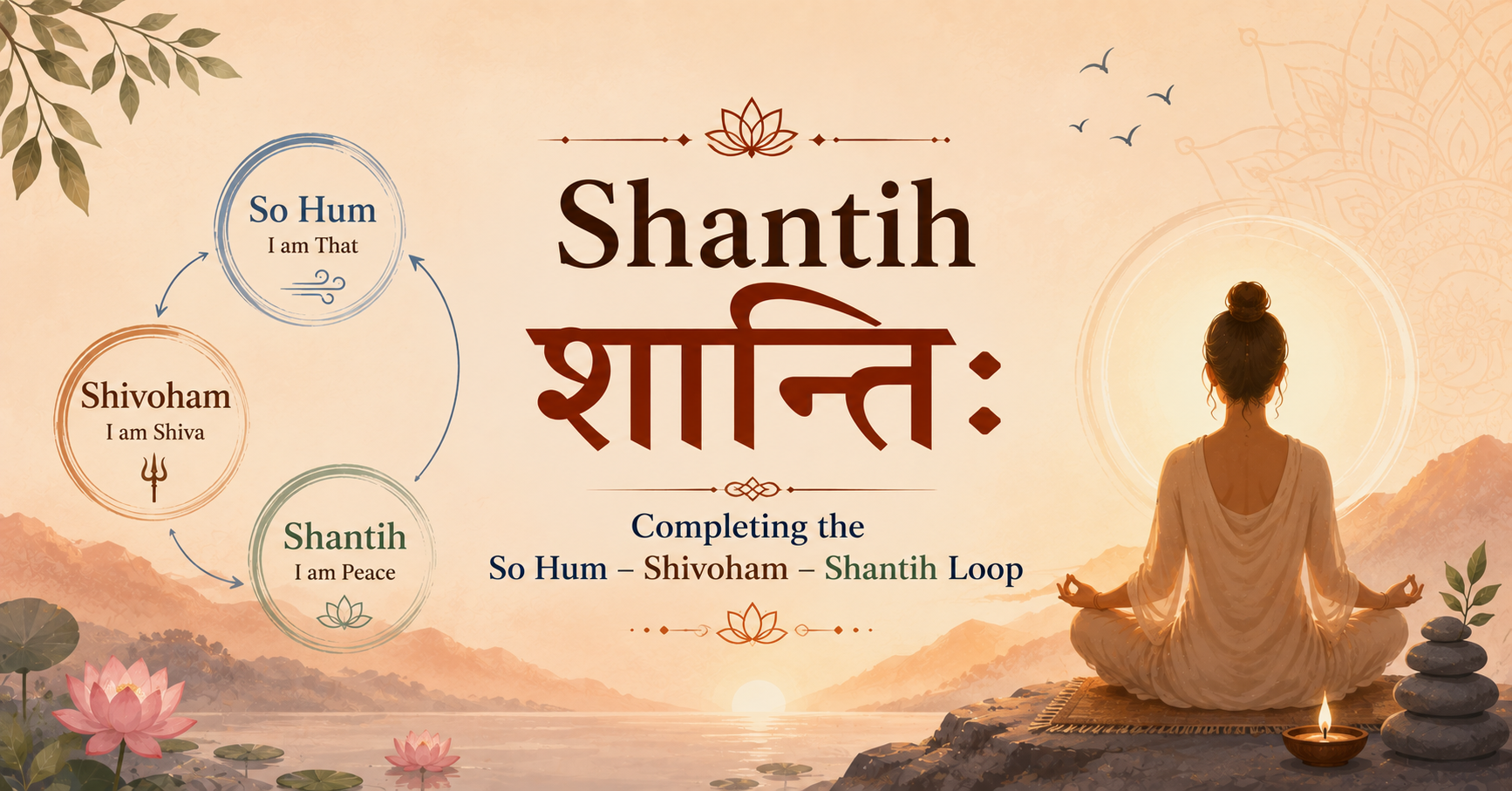
Shantih शान्तिः: Completing the So Hum – Shivoham – Shantih Loop
Shantih ("peace") is the third and final chant in the So Hum – Shivoham – Shantih loop — the quiet close that follows once breath has been settled and identity has been questioned. Chanted three times, it isn't a wish so much as a recognition: peace within, peace with the world around you, and peace with whatever is larger than both. This guide covers its meaning, why it's repeated three times, and how it completes the arc begun with So Hum.