
Mind Catalogue
every scroll, a sadhana
Welcome to Mind Catalogue — the living, breathing blog of Ekattva Yogshala.
This is where wellness meets wisdom, and where the sacred banks of Rishikesh find their voice in words. Here, we explore the depths of yoga, holistic health, mindful living, and spiritual travel — weaving together expert guidance for yoga tourists, soulful travelogues from the foothills of the Himalayas, and transformative reflections on the yogic way of life. Whether you're a seasoned spiritual traveller seeking your next journey, a curious soul exploring yoga teacher training, or a member of our ever-growing global yoga family sharing your story — this is your space. From program updates and practitioner insights to prayers, prose, and perspectives that provoke and inspire, Mind Catalogue is Ekattva's collective consciousness, catalogued with care.
Pull up a mat, open your mind, and take a peek — or a plunge.
Explore Our Collection
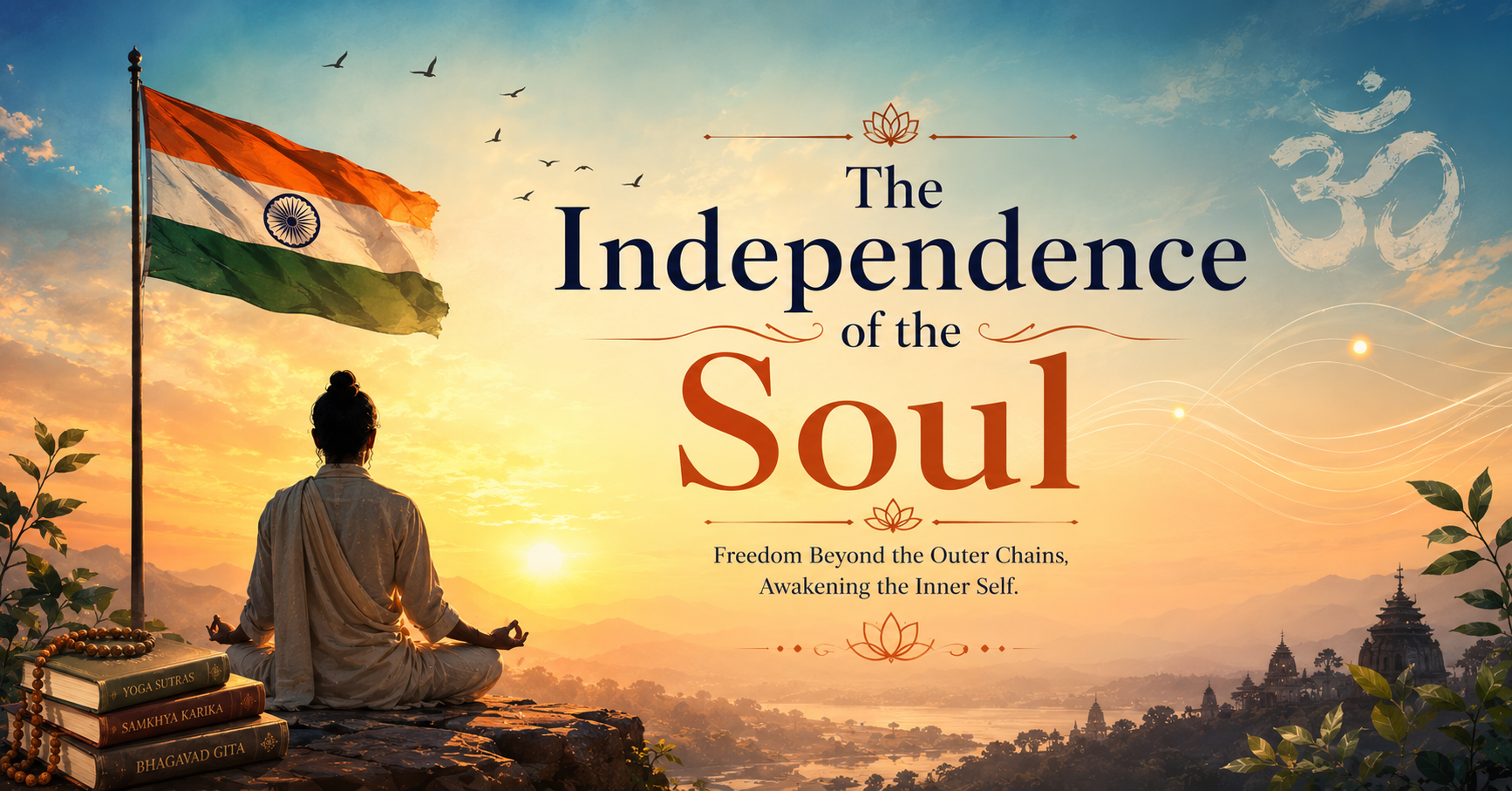
The Independence of the Soul
Political freedom lowered one flag and raised another. But Samkhya and the Gita point to a deeper liberation — the soul remembering it was never bound. A meditation on swaraj for Bharat's Independence Day.
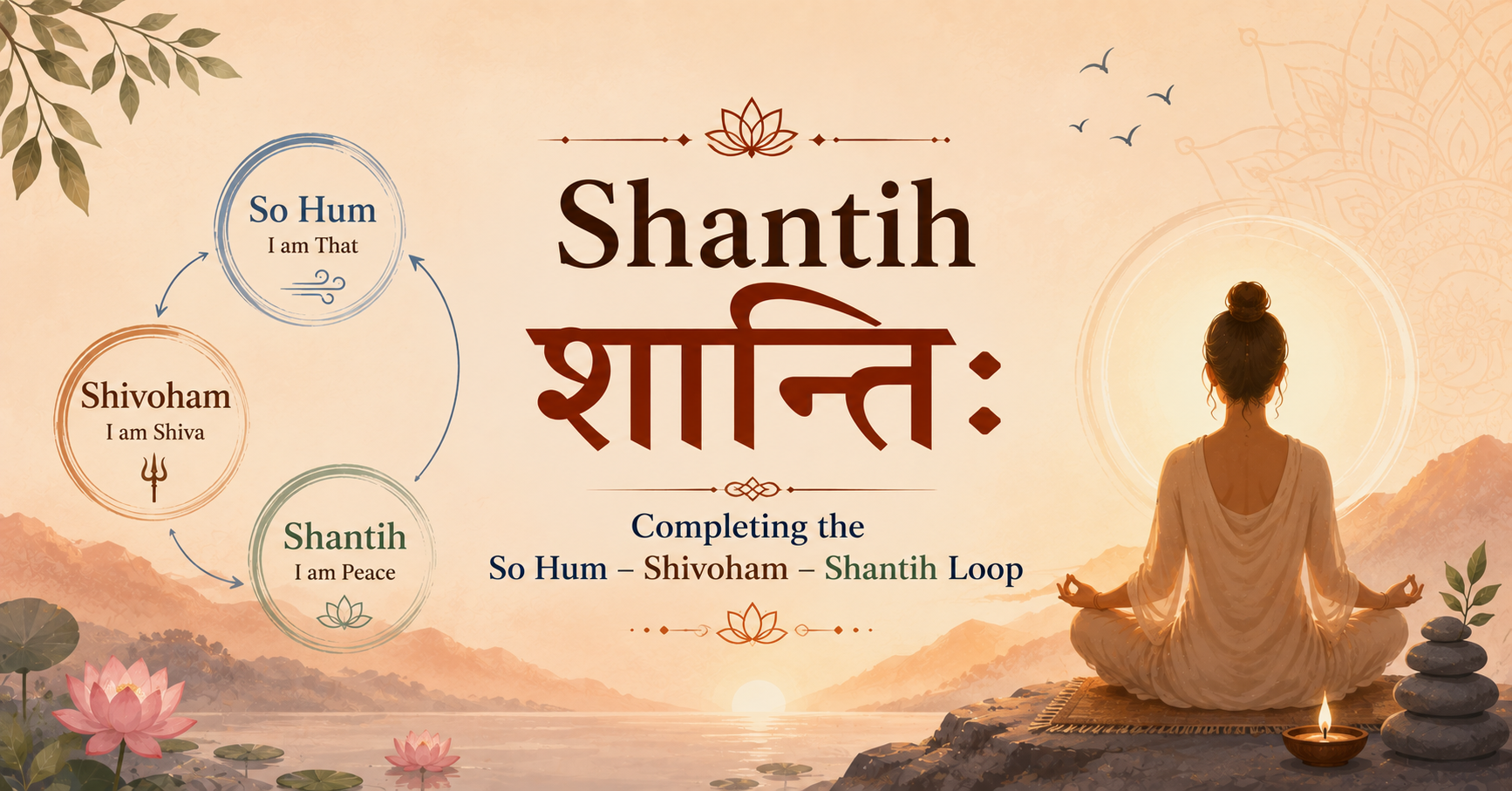
Shantih शान्तिः: Completing the So Hum – Shivoham – Shantih Loop
Shantih ("peace") is the third and final chant in the So Hum – Shivoham – Shantih loop — the quiet close that follows once breath has been settled and identity has been questioned. Chanted three times, it isn't a wish so much as a recognition: peace within, peace with the world around you, and peace with whatever is larger than both. This guide covers its meaning, why it's repeated three times, and how it completes the arc begun with So Hum.
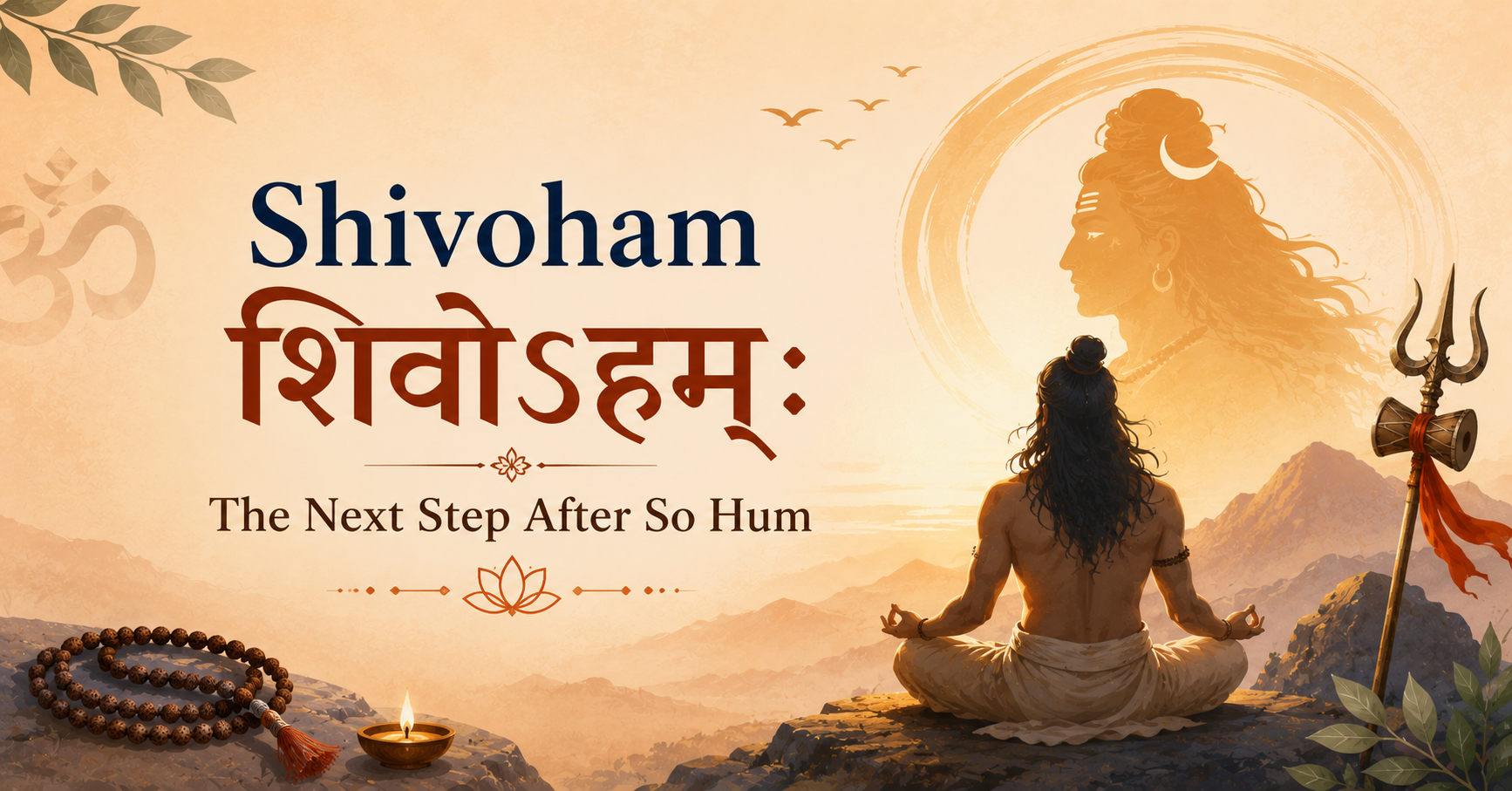
Shivoham शिवोऽहम्: The Next Step After So Hum
Shivoham ("I am Shiva") is the mantra that follows naturally once the witness attitude built through So Hum starts to settle in. Here, "Shiva" isn't a deity to worship but a name for pure, unshaped awareness itself — making this an accessible next step into non-dual meditation for anyone, regardless of religious background. This guide covers its origin, meaning, how it builds on So Hum, and how to practice it.
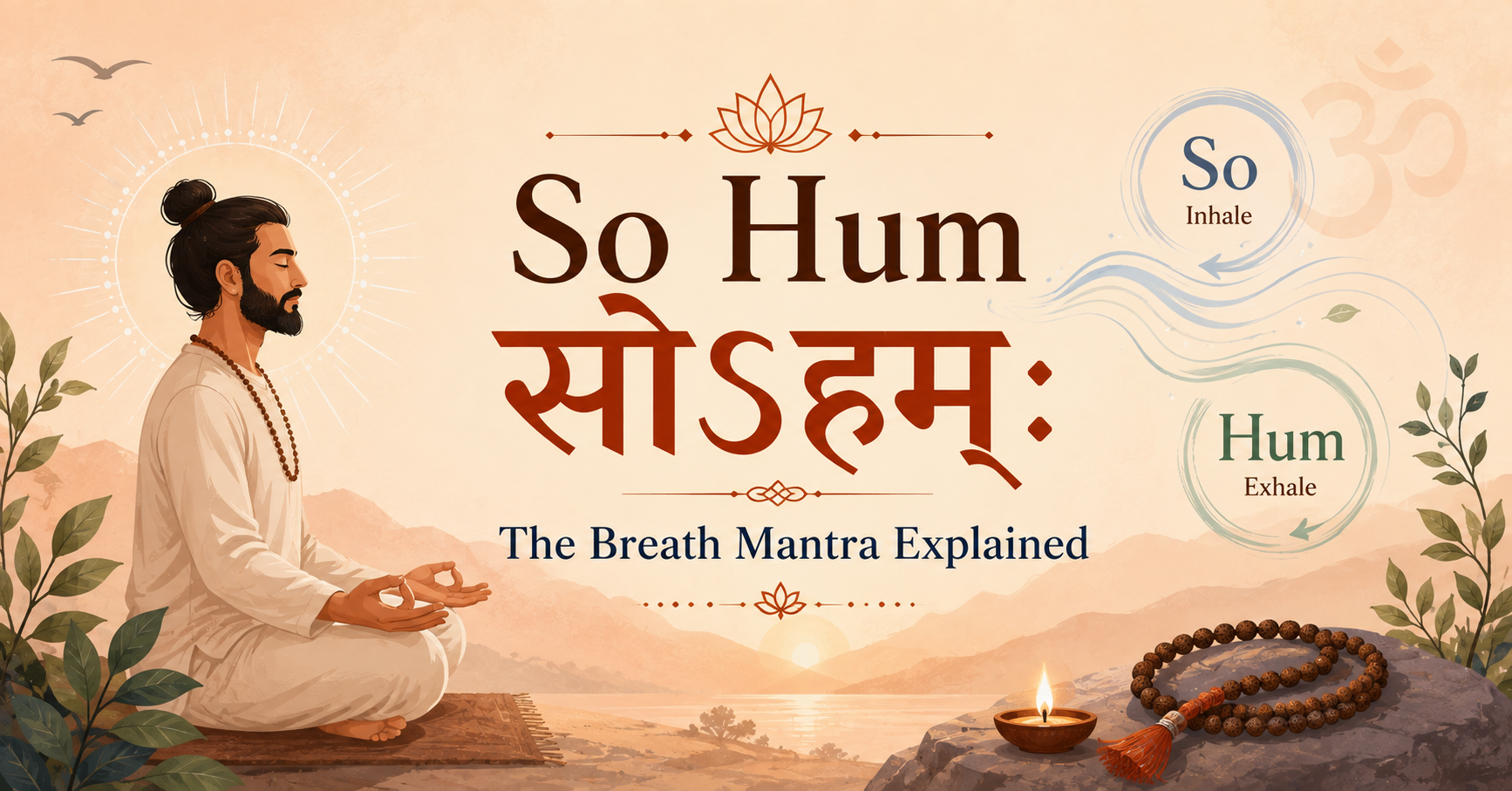
So Hum सोऽहम्: The Breath Mantra Explained
A breath mantra for everyone — So Hum ("I am That") turns the natural sound of your own breathing into a meditation, with no deity, no memorization, and no prior experience required. This guide covers its meaning, how to practice it, when to use it in daily life, and the deeper philosophy of Sakshi Bhava (witness consciousness) behind it.
Shiva-Shakti शिव-शक्ति: Balancing Masculine and Feminine Energy Through Mantra Sadhna
Shiva-Shakti isn't a story about two separate gods getting along, or two planets learning to communicate — it's the philosophical claim that consciousness and energy, masculine and feminine, were never actually separate to begin with. Here's what that means, and the traditional chants used to embody the balance rather than just think about it.

Best Time to Visit Rishikesh for a Yoga and Mantra Retreat
Rishikesh doesn't have a bad season, but it has different souls depending on when you arrive. Here's what each month actually feels like on the ground — from the crowded, joyful chaos of the International Yoga Festival to the quiet, foggy mornings of a Himalayan winter — so you can choose the version of Rishikesh that matches the retreat you're actually looking for.
Is Rishikesh Safe for Solo Women Travellers?
Rishikesh is one of the more solo-friendly places a woman can travel in India — not because nothing ever goes wrong, but because the town has decades of infrastructure built around welcoming women alone. Here's what actually makes it manageable, and what precautions genuinely matter.
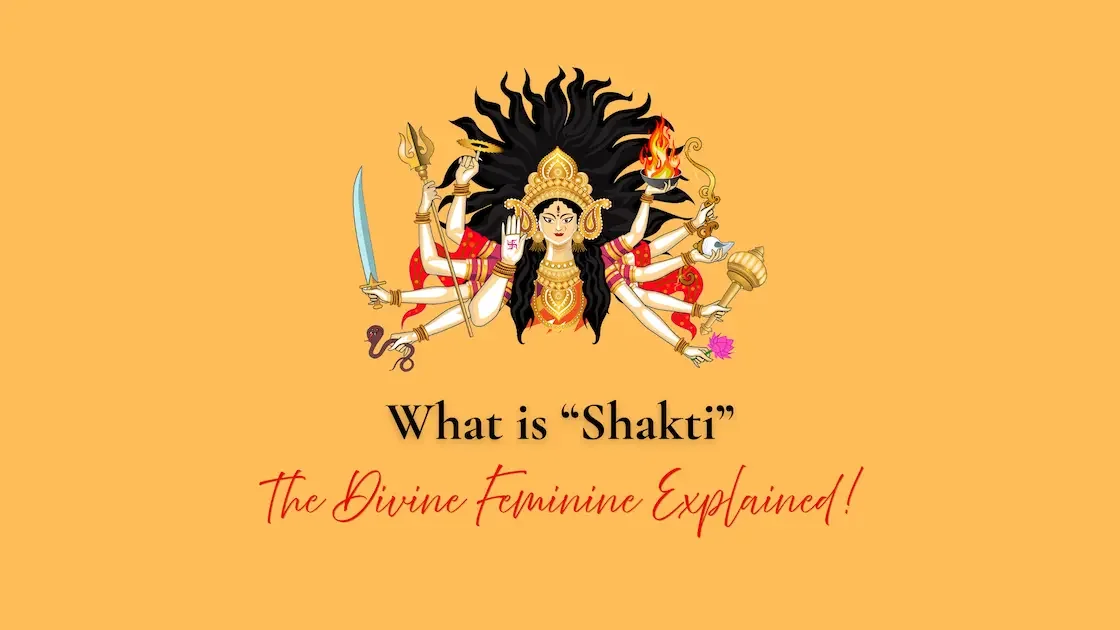
What Is Shakti शक्ति? The Divine Feminine, Explained.
Shakti isn't a single goddess or a vague wellness buzzword — it's the concept of divine feminine energy that Hindu tradition holds as the animating force behind all creation, present in everything from love to fear to hunger, as the Devi Suktam itself describes. Here's what Shakti actually means, how it differs from the Western "sacred feminine," and how you can start relating to it as a living practice rather than an idea.

Why Visit Rishikesh? The Ganges, Himalayas, and 3,000 Years of Seekers
Long before it appeared on a retreat brochure, Rishikesh was a pilgrimage route. Here's why the meeting point of the Ganga and the Himalayas — carried in hymns like the Ganga Stotram — still draws seekers, three millennia on.

Solo Travel and Self-Retreat: The Rise of Women-Only Wellness Journeys
Solo female travel has moved from niche to mainstream and women-only wellness retreats are leading the shift. Here's what's driving the trend - from delayed life milestones to always-on corporate demands - and what women are actually looking for when they book one alone!